世界遺産熊野古道 1日目① 牛馬童子から近露
Kumano Kodo World Heritage Trail – Day 1 (Part 1)
From GyubaDoji to Chikatsuyu
世界遺産熊野古道2泊3日。短い旅なので、すべて歩かずにバスを使い、効率よく回ります。
I explored the Kumano Kodo World Heritage trail over two nights and three days. Since it was a short trip, I didn’t walk the entire route. Instead, I used buses to travel efficiently and focus on the highlights.
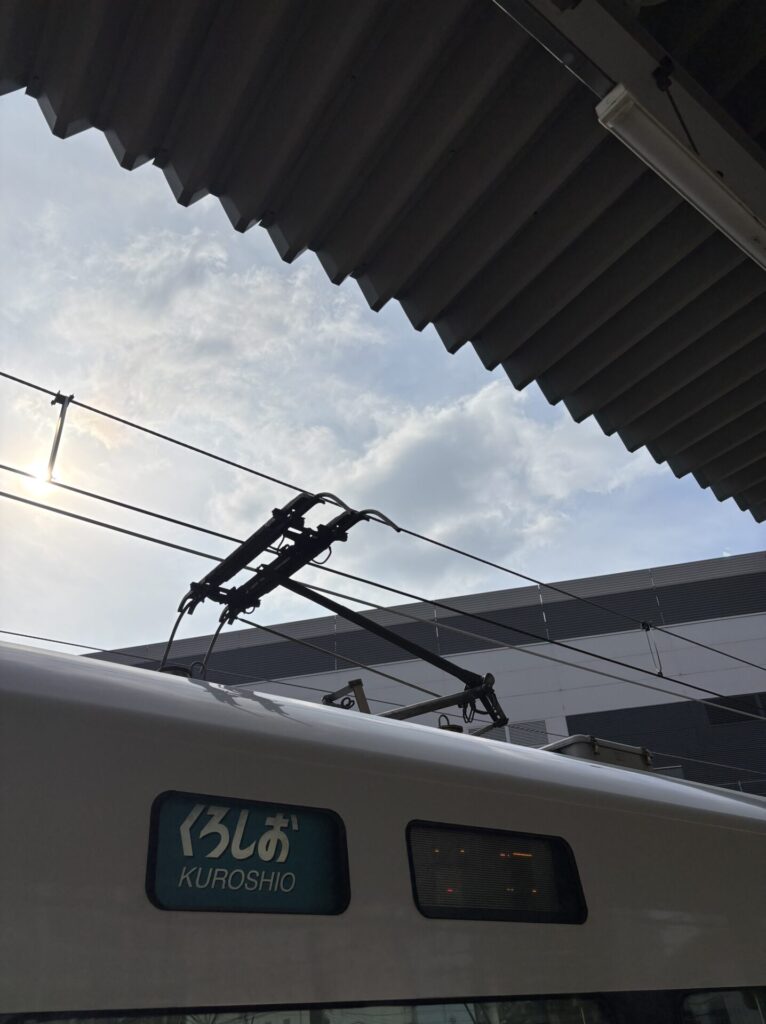
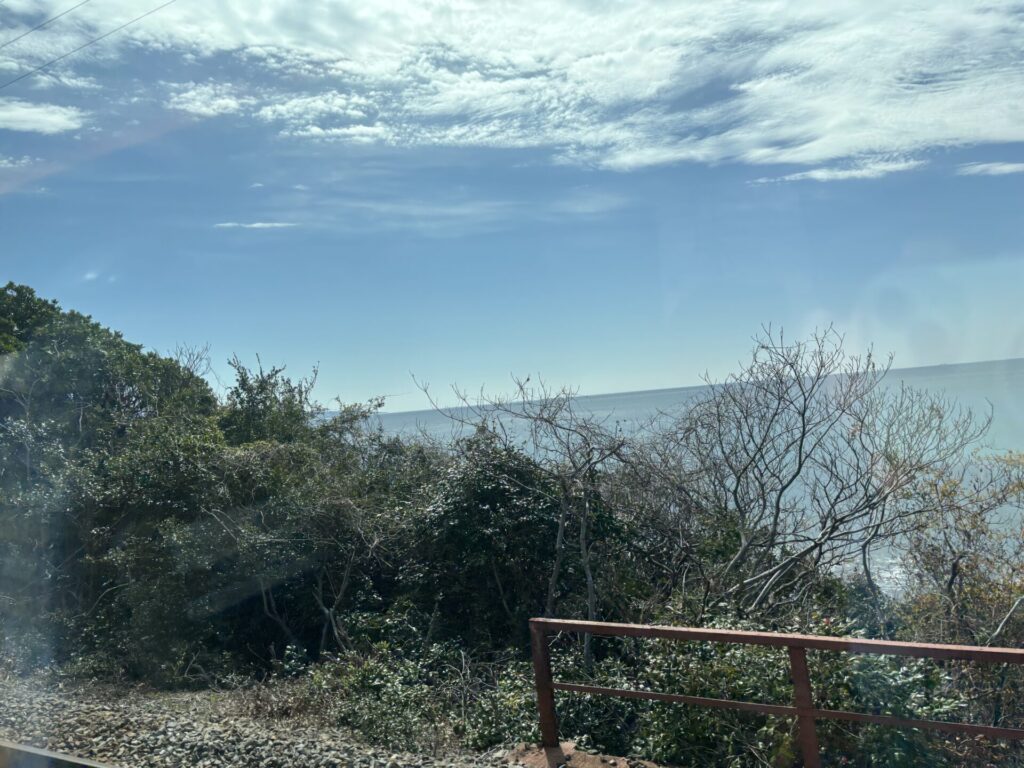
新大阪から紀伊田辺駅まで特急くろしお号に乗ります。窓の外に和歌山の大きな海が見え、最初にちょっと感動しました。が、この後もっとすごい景色をたくさん見ることになります。
I took the Limited Express Kuroshio from Shin-Osaka to Kii-Tanabe Station. Looking out the window, I could see the vast ocean of Wakayama, which was already impressive—but even more breathtaking scenery awaited us later.
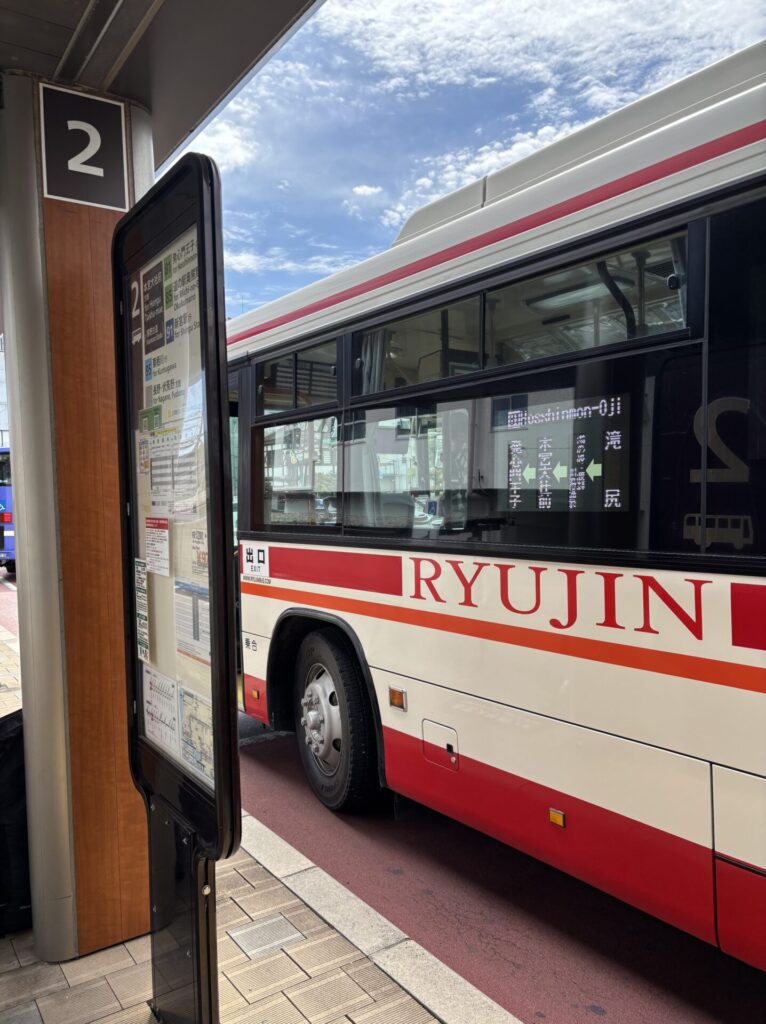
紀伊田辺駅を出てすぐ左側の2番乗り場から、11:35分出発の龍神バスに乗ります。これを逃すと次は13:00。PayPay使えます。交通系カードやクレジットカードは使えませんでした。熊野古道の支払いは、ほとんどPayPayでできました。
From Kii-Tanabe Station, I boarded the Ryujin Bus departing at 11:35 from Stop No. 2, located just to the left after exiting the station. If you miss this bus, the next one is at 13:00. PayPay is accepted, and most payments along the Kumano Kodo can be made using PayPay. However, IC transportation cards and credit cards were not accepted in many places.
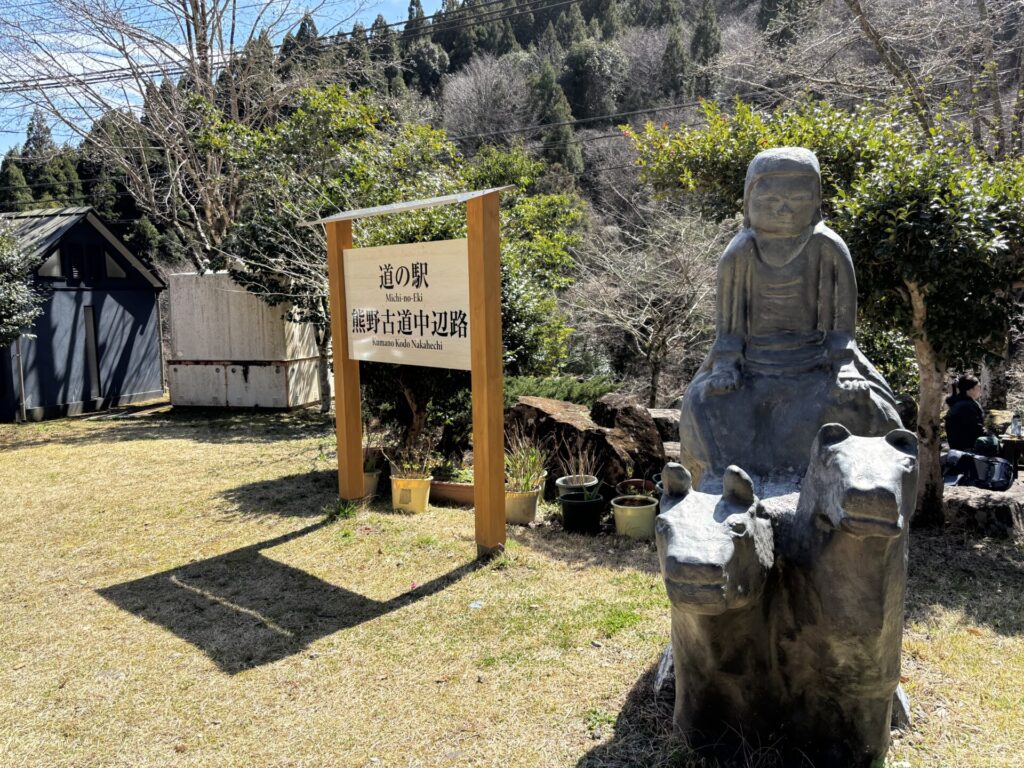
滝尻でバスを降りて歩く人が多いようですが、私は時間短縮のため牛馬童子口バス停で降りました。大きな看板と売店とトイレがあります。(熊野古道、トイレ少ないので場所を確認しておくことをおすすめします。)
Many hikers get off at Takijiri and start walking from there, but to save time, I got off at the Gyuba Doji-guchi bus stop. There is a large signboard, a small shop, and restrooms available. (Restrooms are limited along the Kumano Kodo, so it’s a good idea to check their locations in advance.)
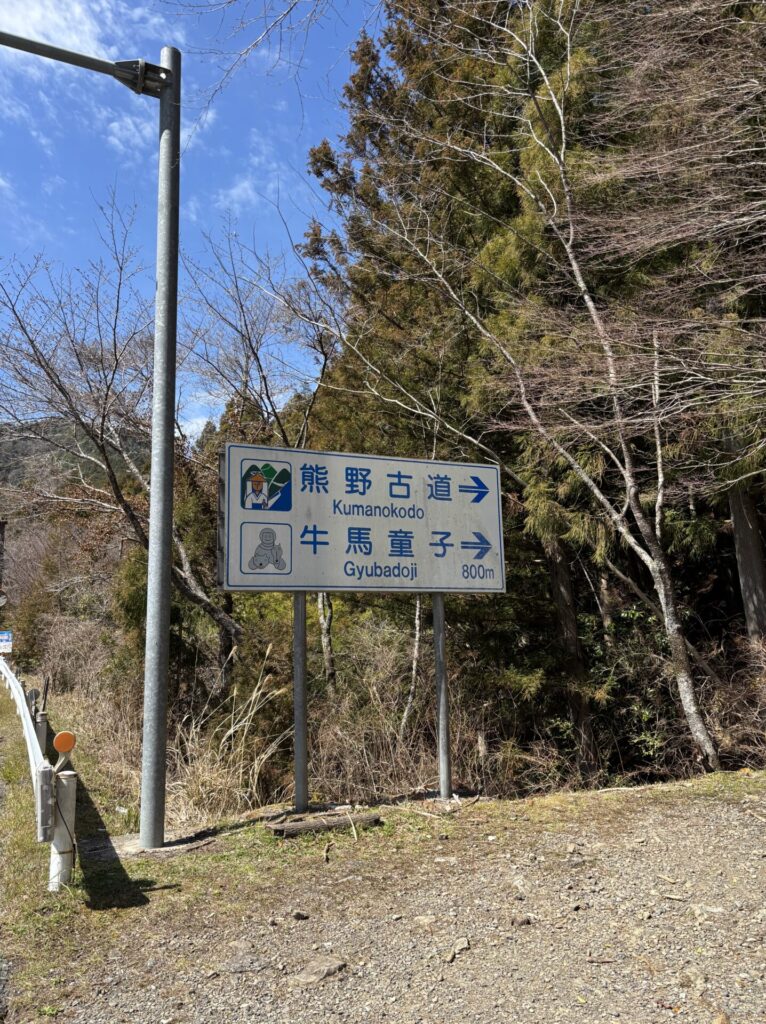
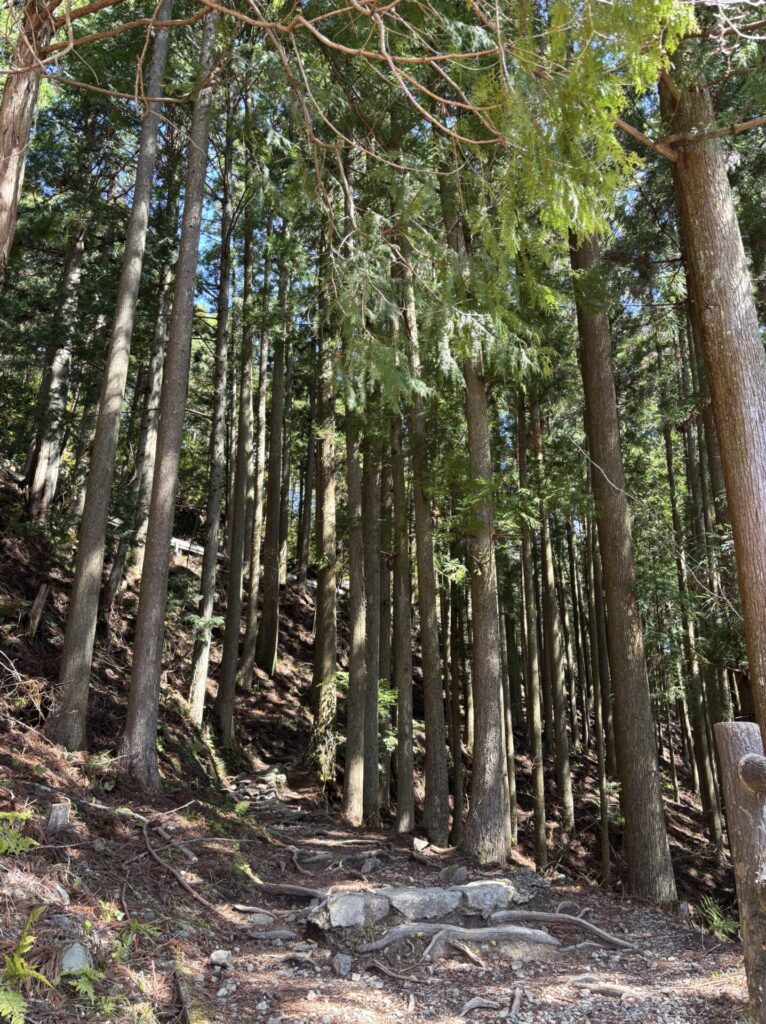
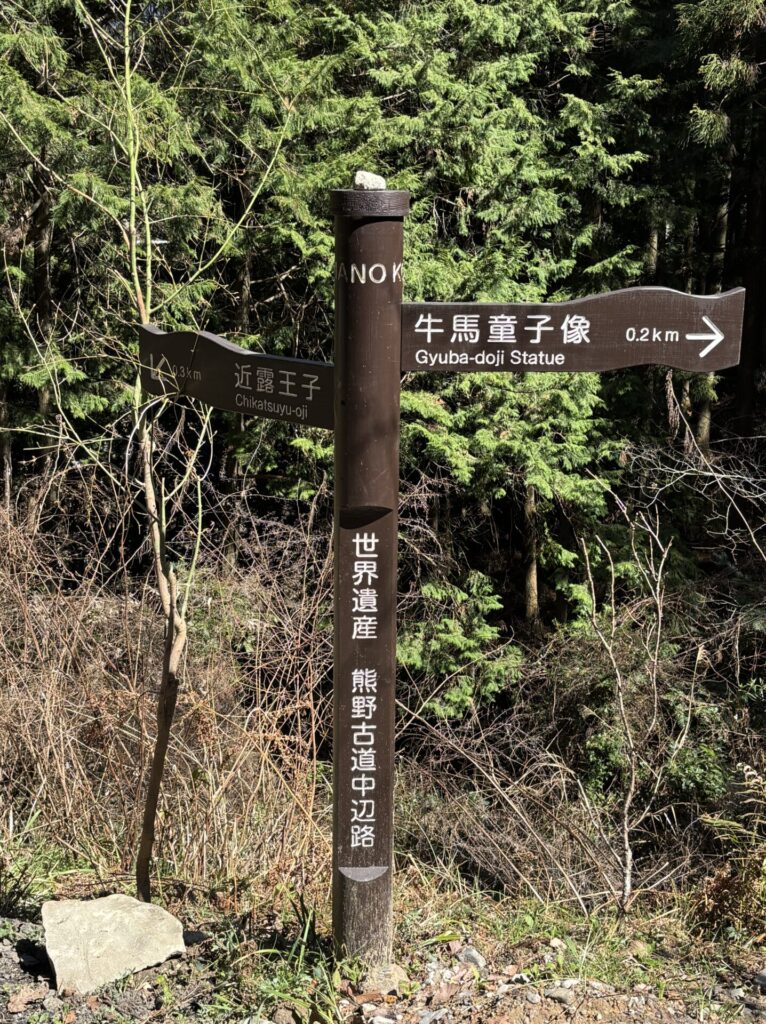
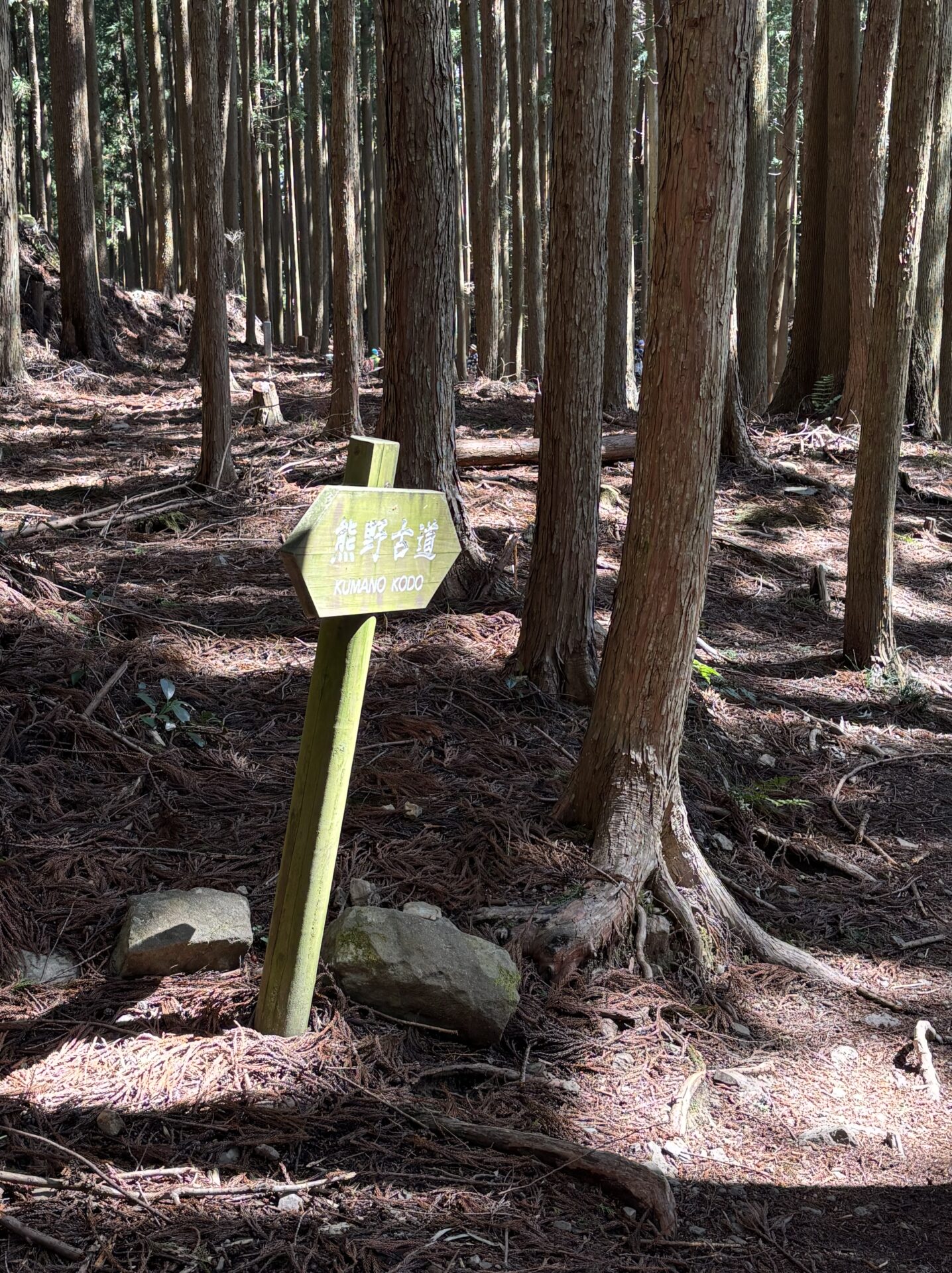
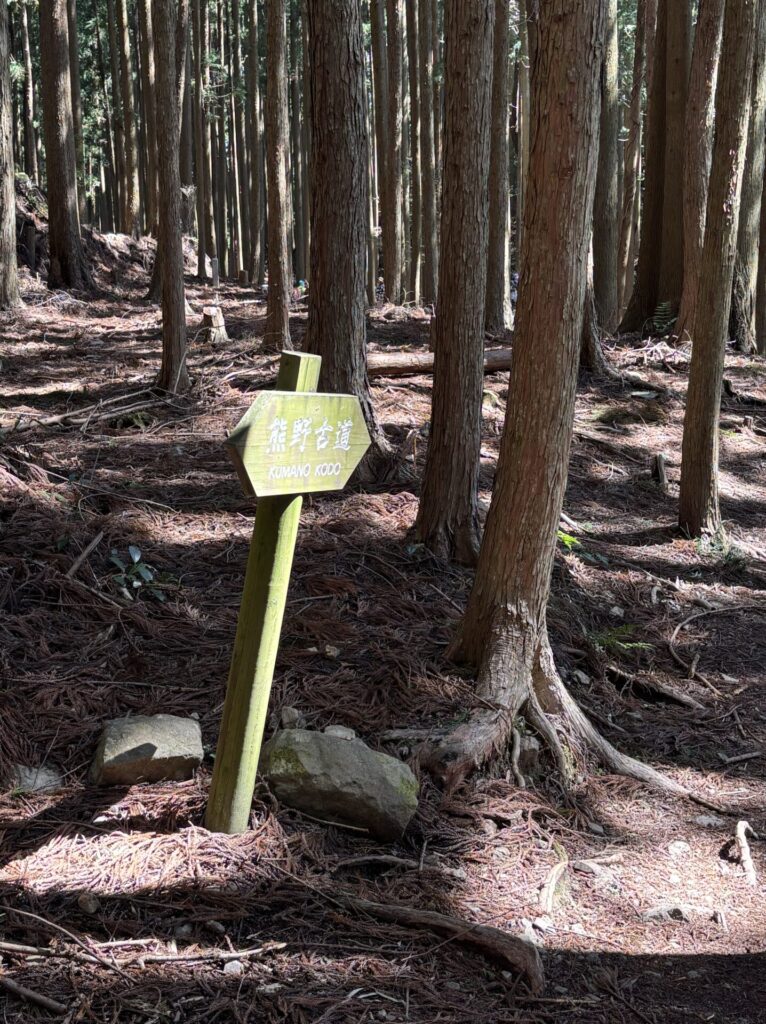
熊野古道。途中にあるこんな感じの小さな看板が目印になるのですが、何度か危うく見逃すところでした。牛馬童子近辺はなだらかな山道で比較的歩きやすかったです。
Once you enter the Kumano Kodo, small signposts like these mark the route. However, they can be easy to miss—I almost overlooked them several times. Some sections of the trail can be quite steep, but the area around Gyuba Doji is relatively gentle and easy to walk.
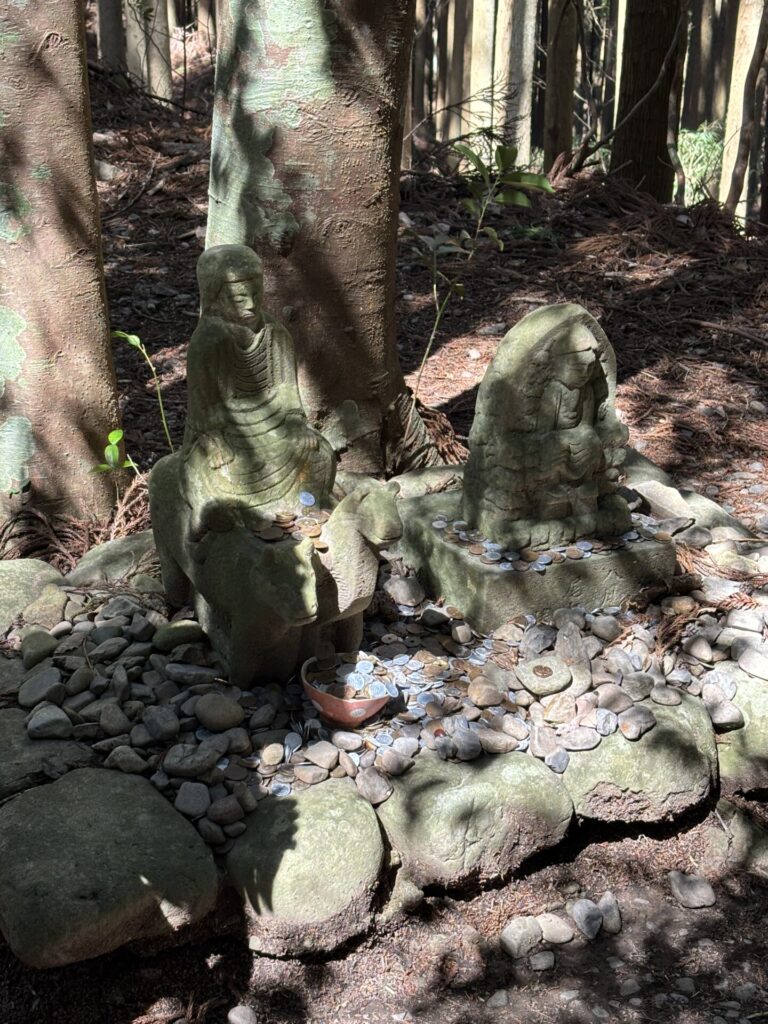
有名な牛馬童子像と役行者像。明治時代に制作された新しい像ですが、熊野古道の象徴として人気を集めています。
Here you can find the famous statue of Gyuba Doji, along with a statue of En no Gyoja, the legendary founder of Shugendo. Although these statues were created during the Meiji period and are relatively new, they have become iconic symbols of the Kumano Kodo.
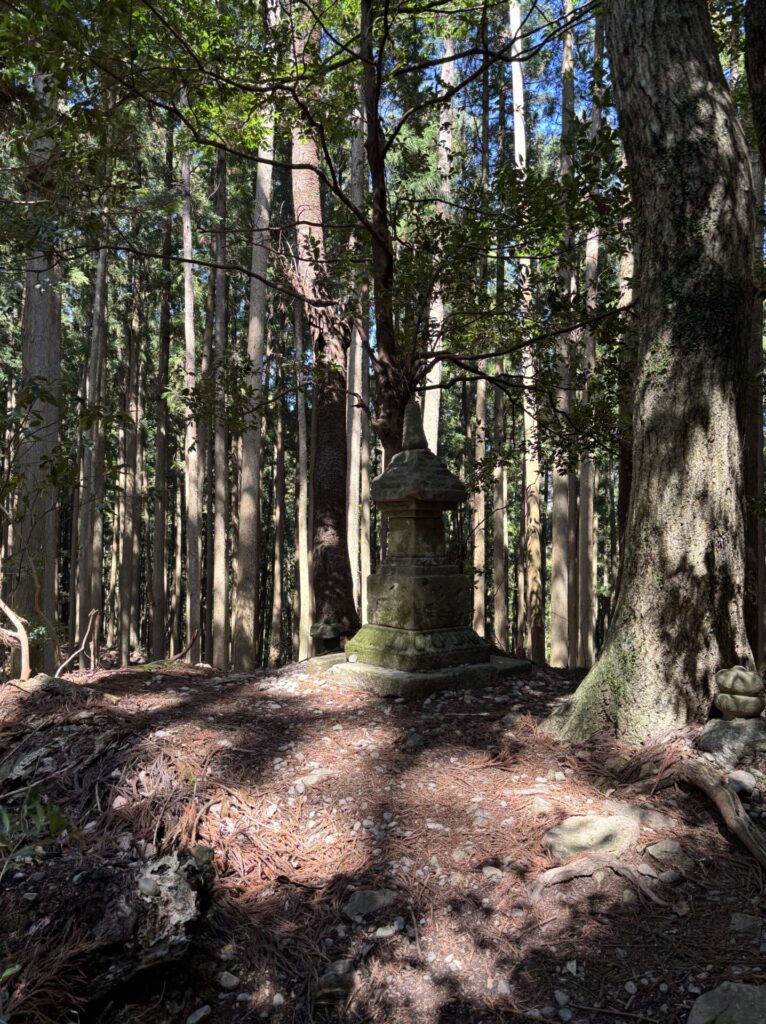
牛馬童子よりも、近くにある宝塔のほうが実は古く、和歌山県の文化財になっています。
Interestingly, the nearby pagoda (Hoto) is actually older than the statues and has been designated as a cultural property of Wakayama Prefecture.
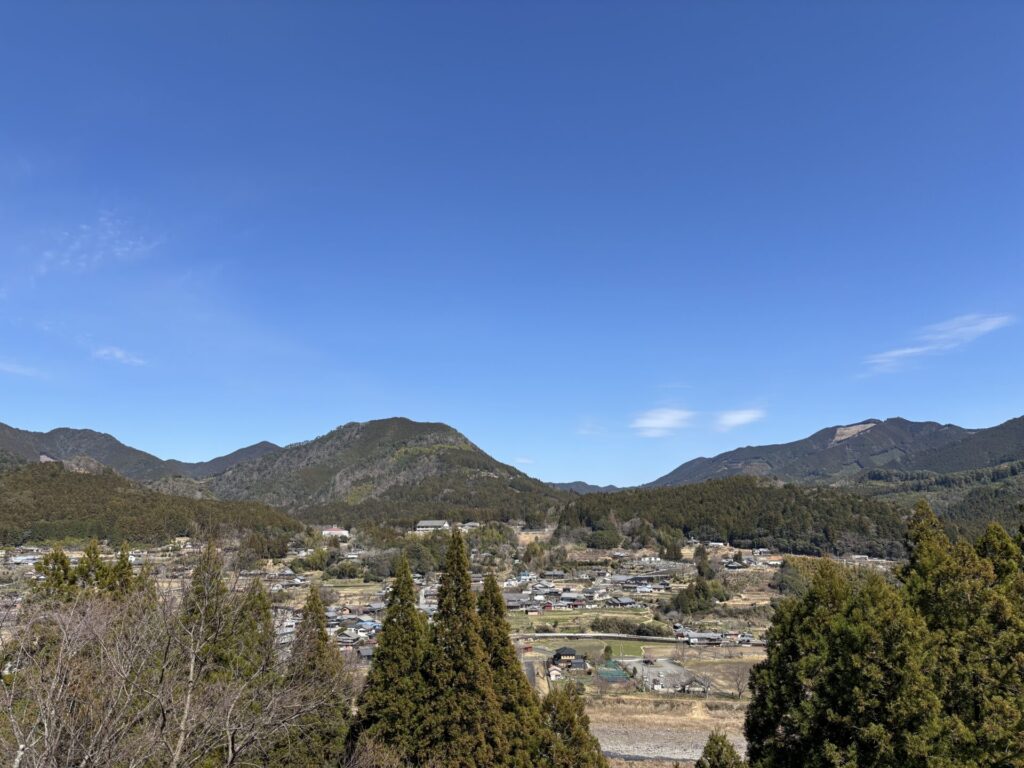
山道の途中に突然静かな集落が眼下に広がり、これが近露です。江戸時代はかなり栄えたそうです。
As you continue along the mountain path, a quiet village suddenly spreads out below you—this is Chikatsuyu. It is said that this area flourished during the Edo period.
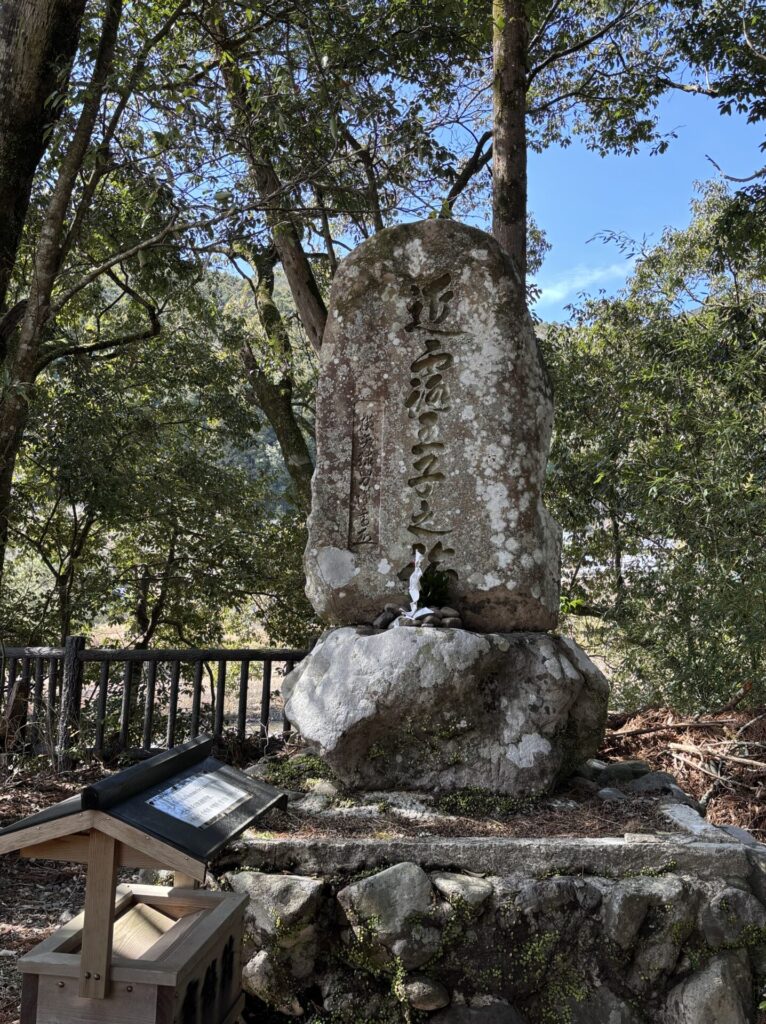
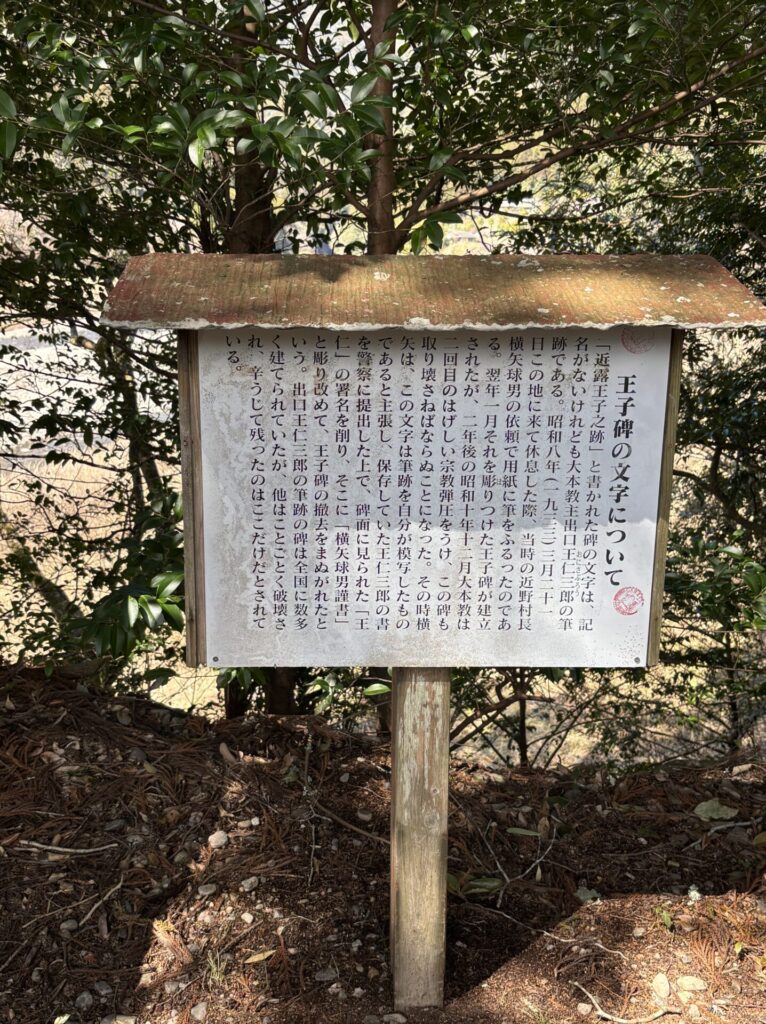
近露王子。出口王仁三郎筆跡の碑は全国に数多く建てられていましたが、一時期弾圧を受けていたので現在も残っているものは珍しいそうです。この碑は当時の村長の機転で残ったそうです。
Chikatsuyu-oji is one of the sacred shrine sites along the route. There is a stone monument bearing the calligraphy of Deguchi Onisaburo. Many such monuments were built across Japan, but because he was once persecuted, it is rare for them to still exist today. This one survived thanks to the quick thinking of the village head at the time.
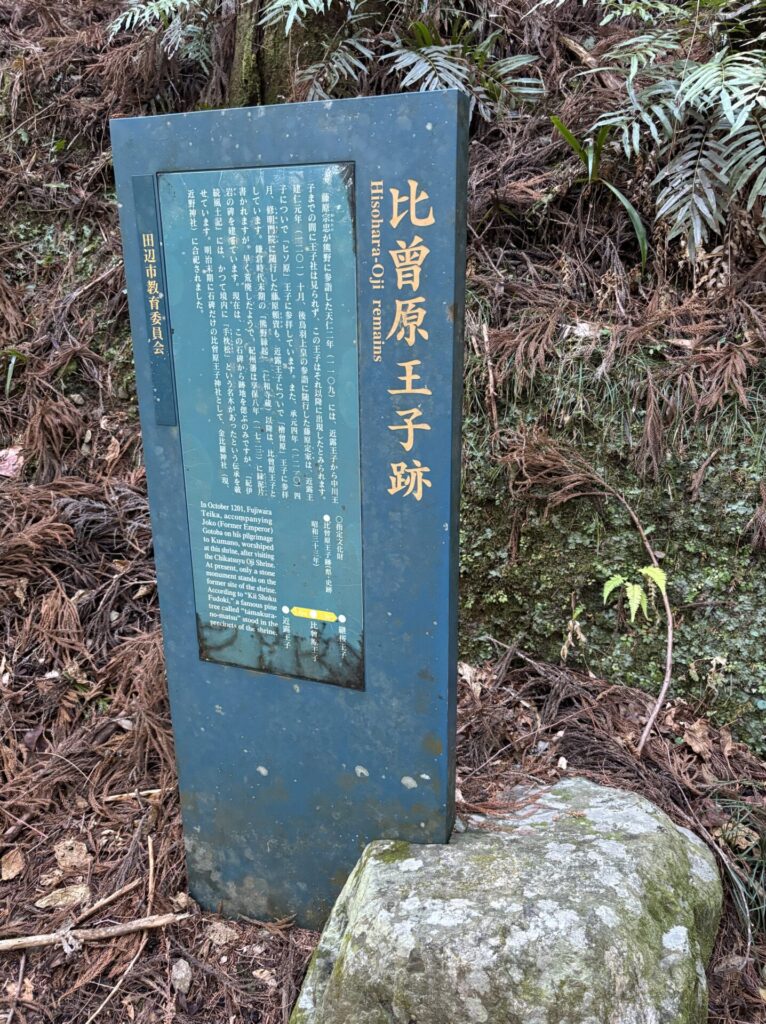
比曽原王子も歴史のある王子ですが、今は跡だけが残っています。
Hisohara-oji is another historic sacred site along the trail, although today only the remains are left.
まとめ 牛馬童子から近露は歩きやすく、熊野古道の出発点としておすすめでした。
In summary, the section from Gyuba Doji to Chikatsuyu is relatively easy to walk and makes a great starting point for exploring the Kumano Kodo.

コメント