
Korakuen Garden — A Daimyo Garden in Okayama
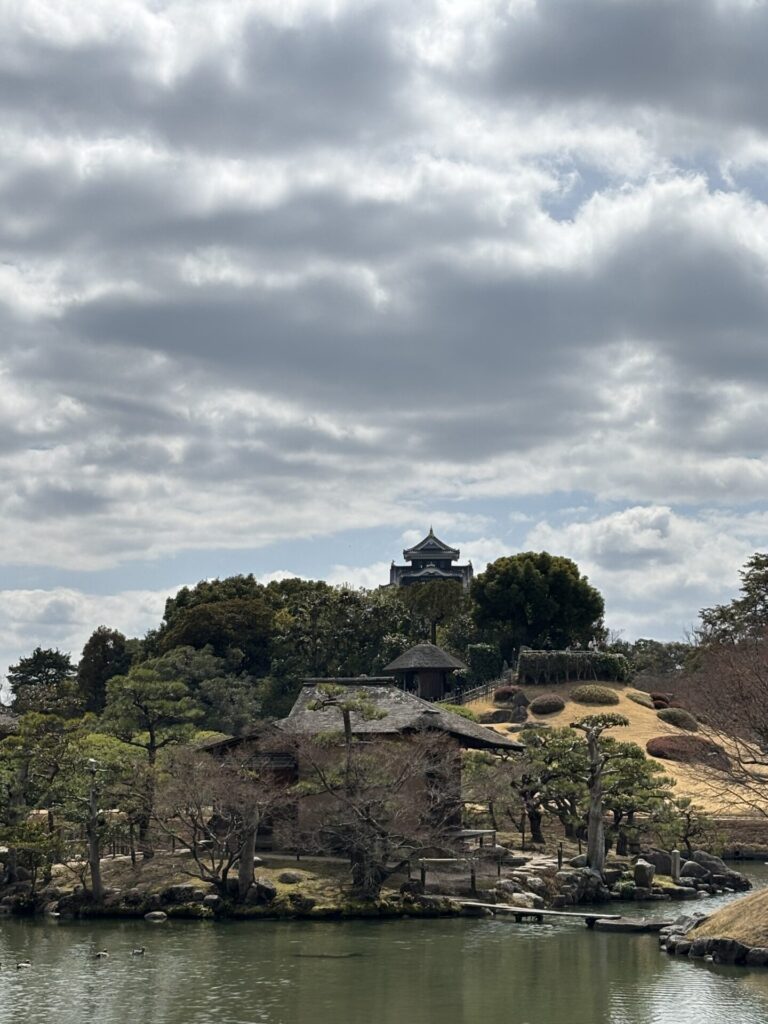
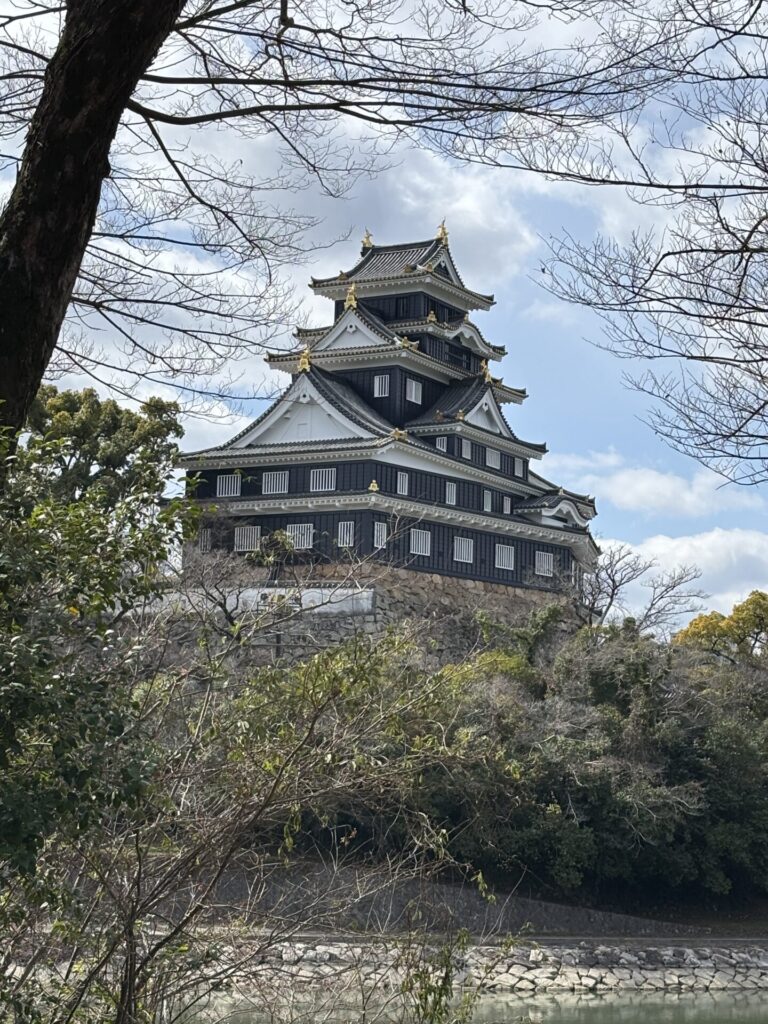
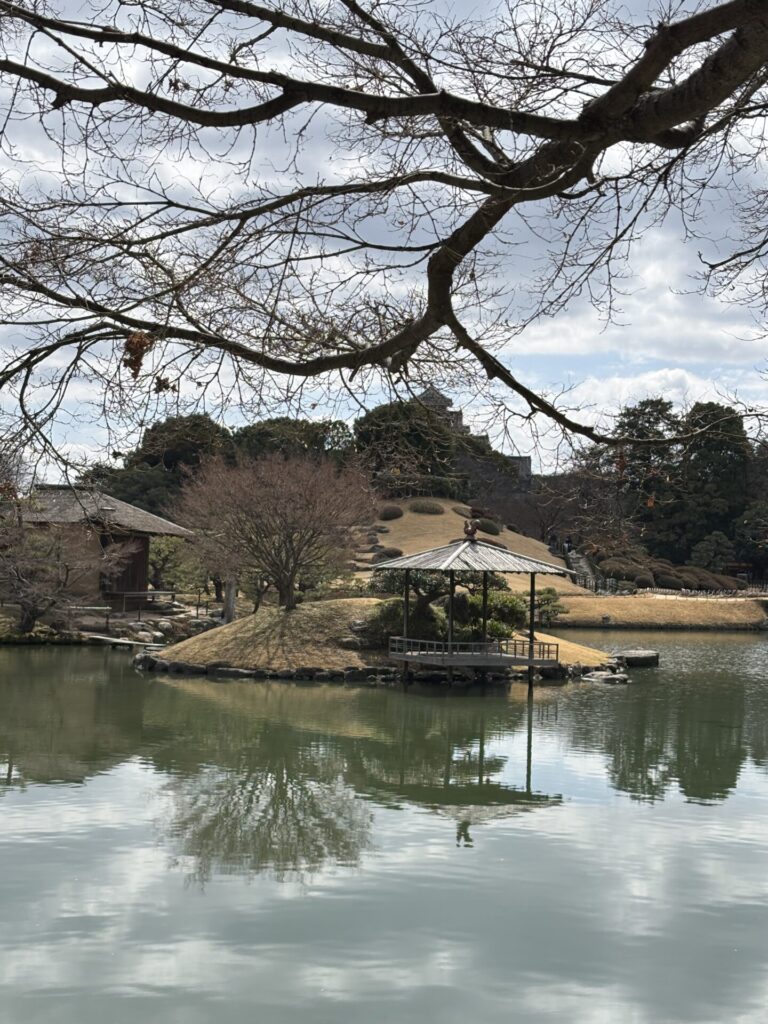
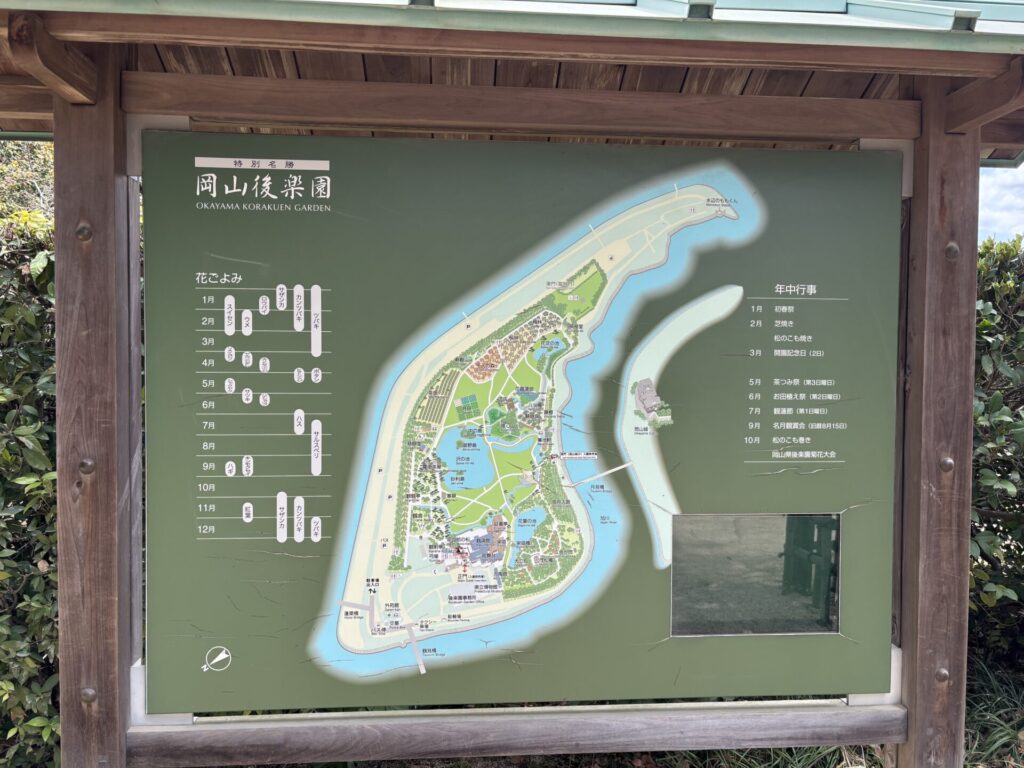
岡山県にある後楽園は、日本三名園の一つとして知られる大名庭園です。江戸時代に岡山藩主・池田綱政によって築かれました。広々とした芝生と水の流れを生かしたこの庭園は、単なる美しさだけでなく、自然・信仰・文化が融合した空間となっています。
Korakuen Garden, located in Okayama Prefecture, is known as one of the Three Great Gardens of Japan.It was built during the Edo period by Ikeda Tsunamasa, the feudal lord of the Okayama domain.With its wide lawns and flowing water, the garden is not only beautiful but also a space where nature, belief, and culture are harmoniously integrated.
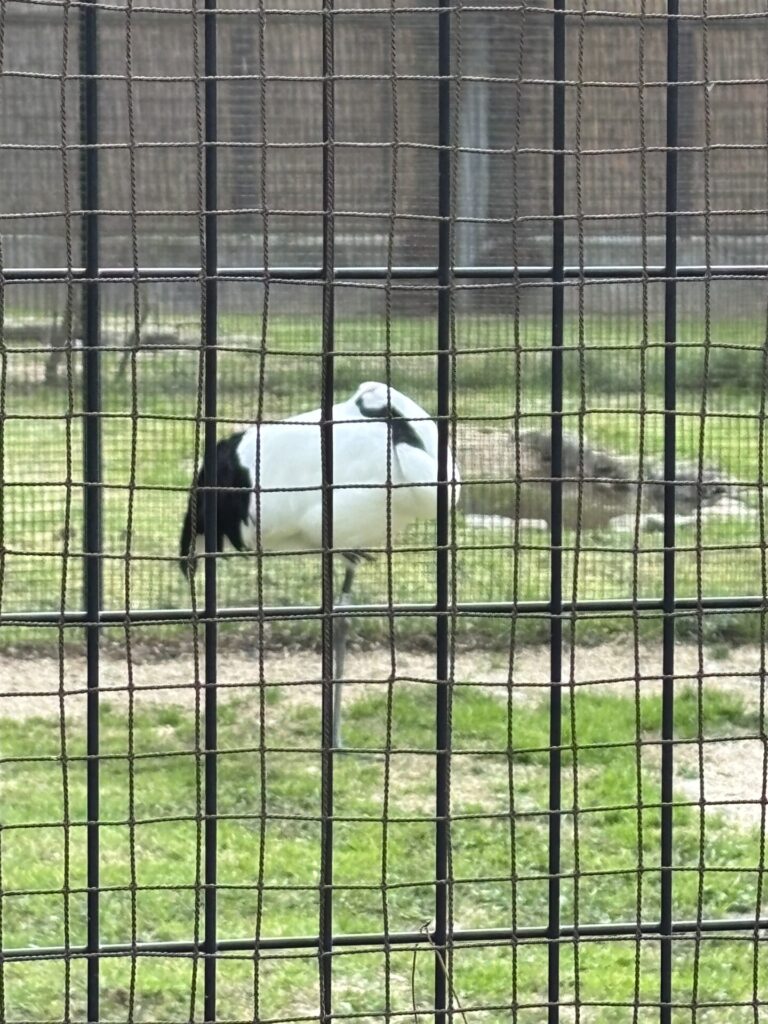
後楽園では鶴が飼育されており、日本庭園で実際に鶴を見られる珍しい場所です。鶴は長寿や吉祥の象徴であり、庭園の思想とも深く結びついています。
Cranes are kept in Korakuen, making it a rare place where visitors can see cranes in a traditional Japanese garden.In Japan, cranes symbolize longevity and good fortune, and they are deeply connected to the philosophy behind the garden.
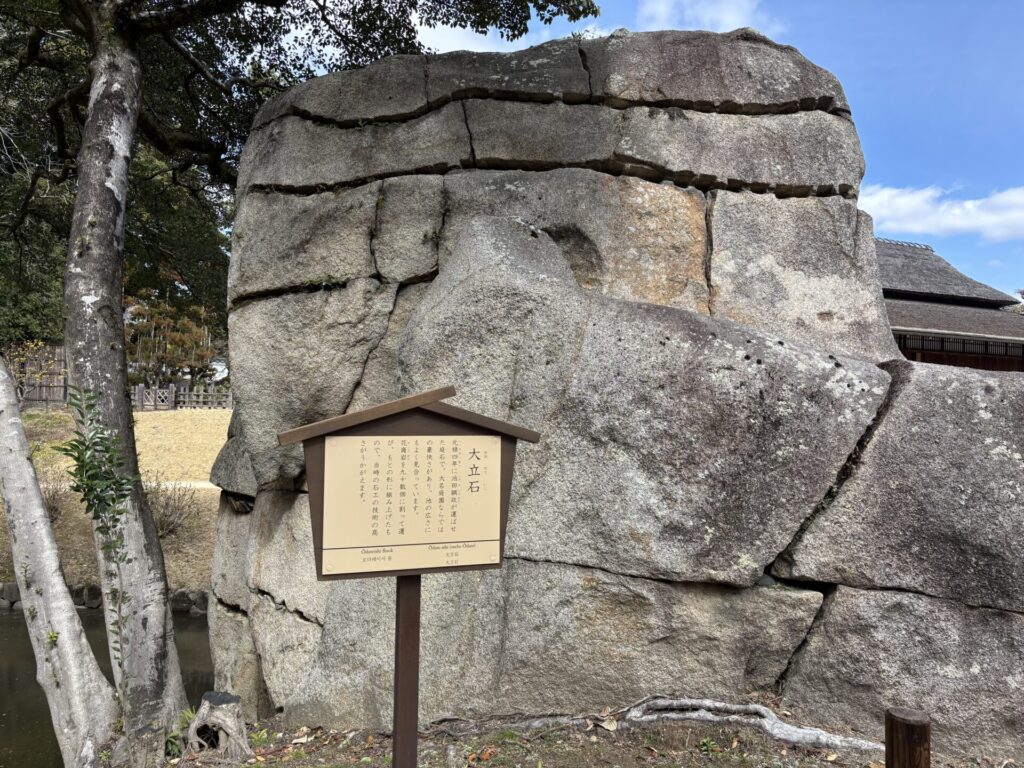
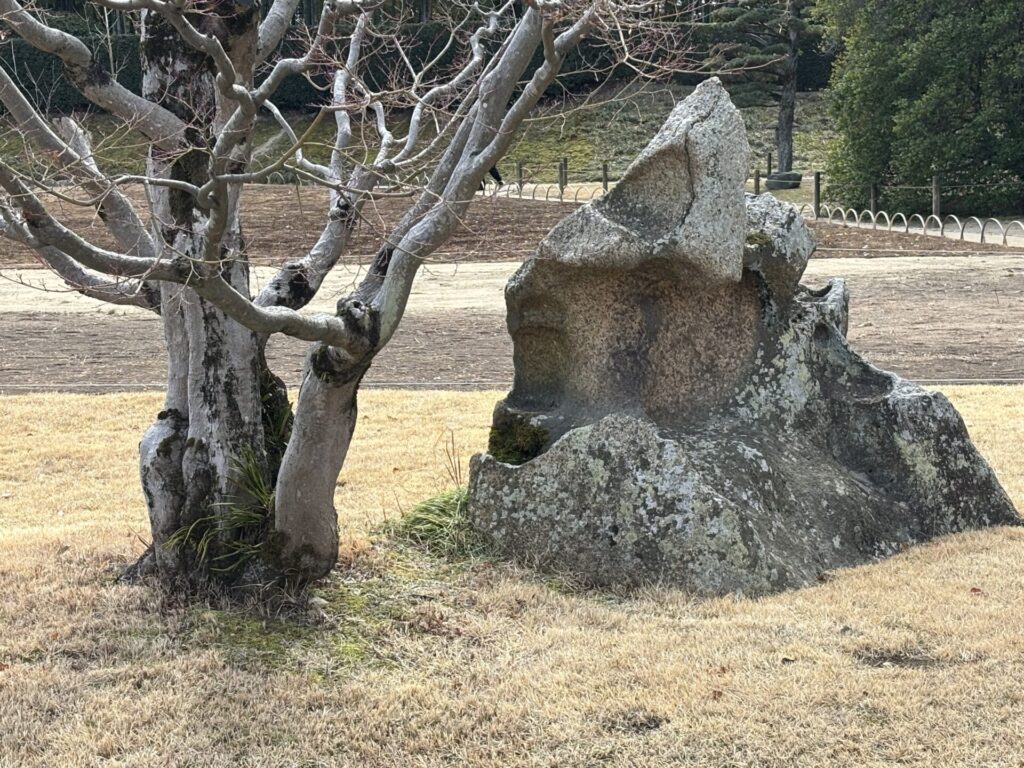
大立石。日本では古来より、石や木には神が宿ると考えられてきました。江戸時代の庭園にも、その思想が取り入れられています。
Odate-ishi (Large Standing Stone)
In Japan, it has long been believed that spirits dwell in natural objects such as stones and trees.This traditional belief is also reflected in Edo-period garden design.
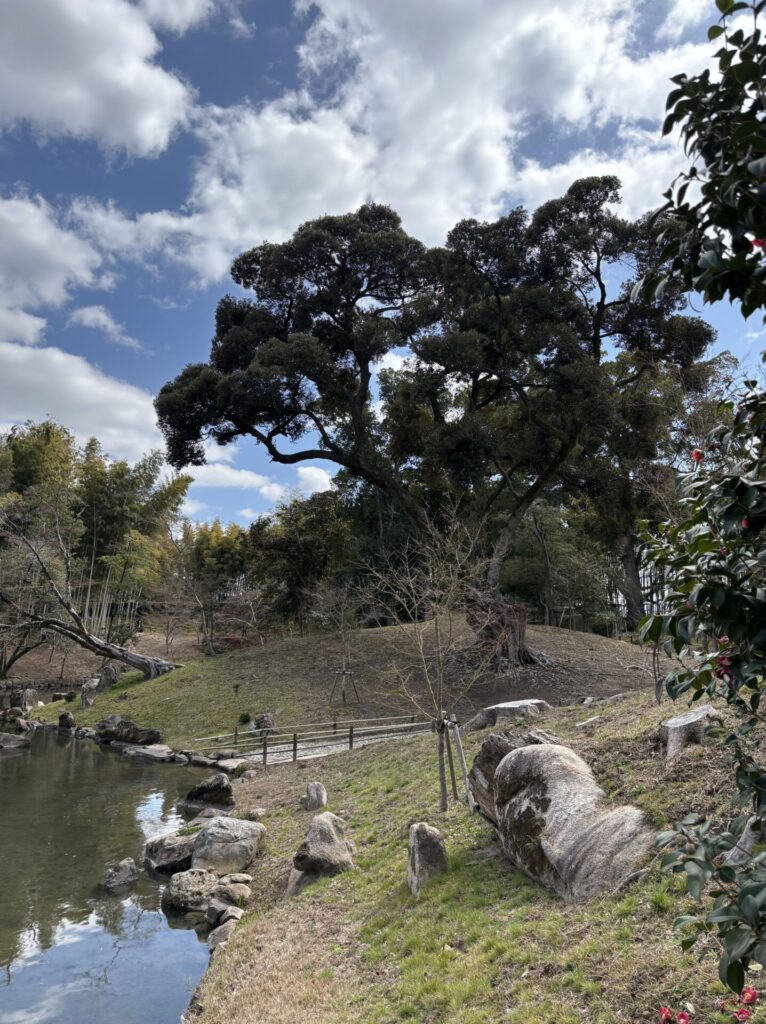
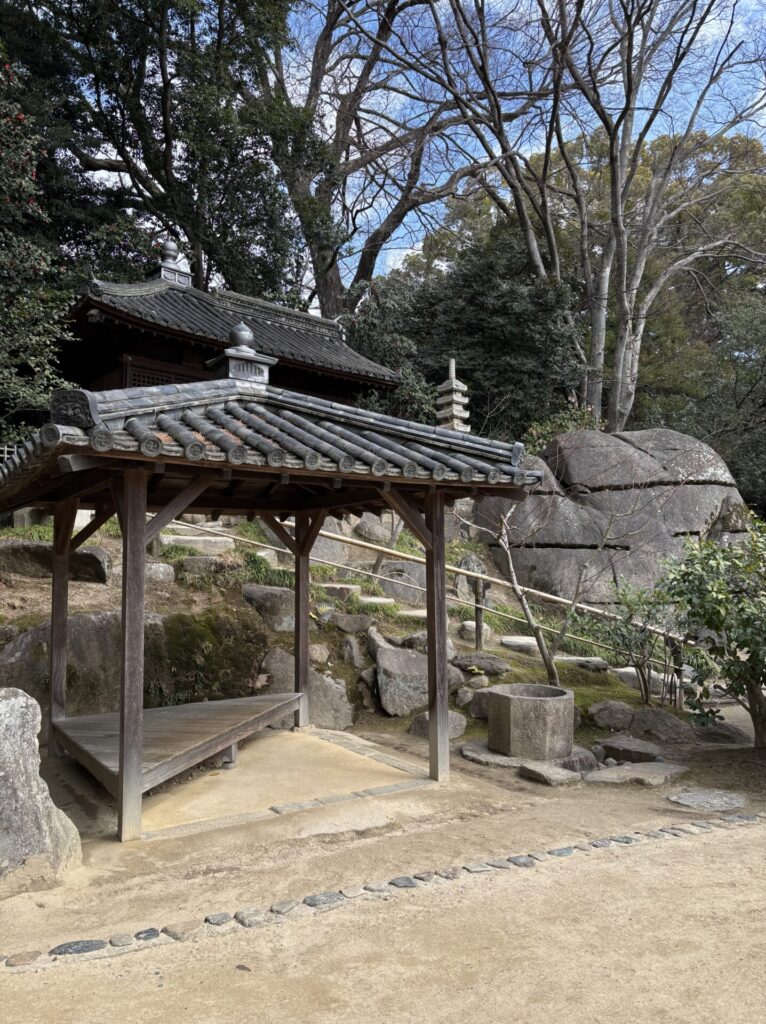
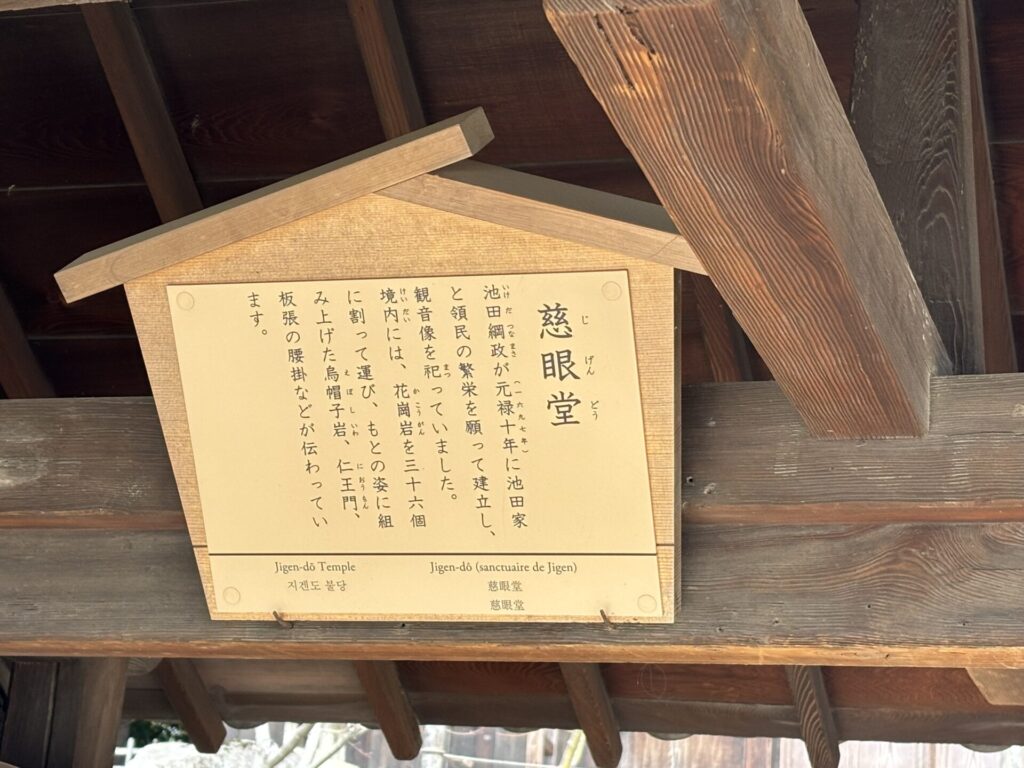
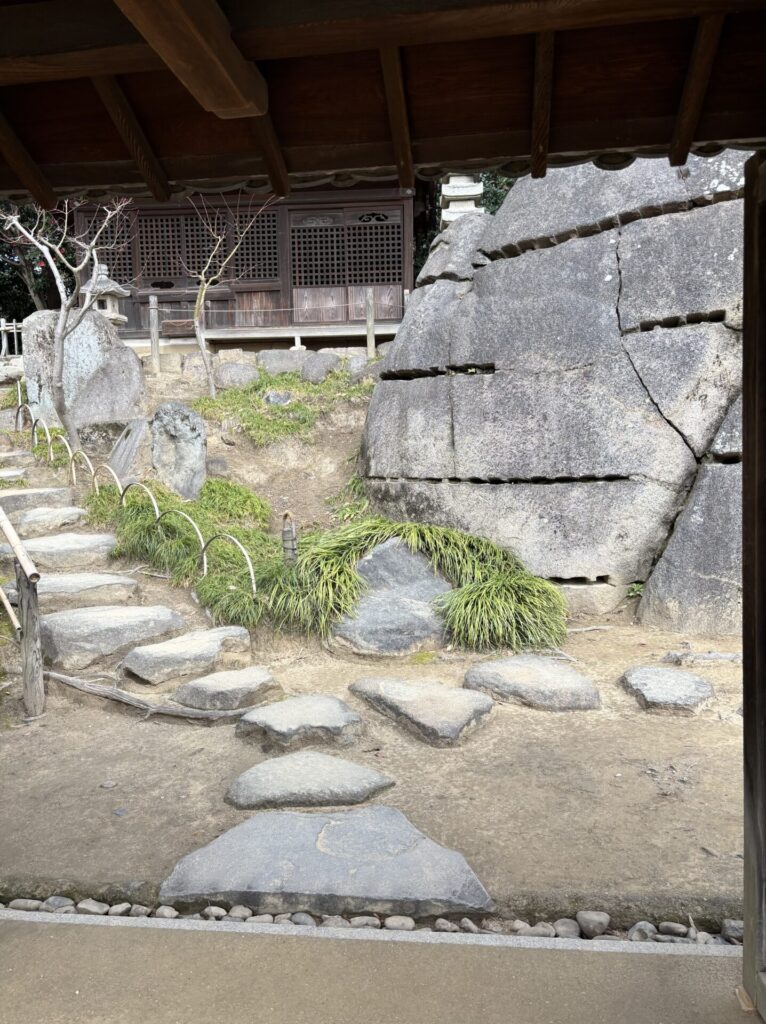
慈眼堂。ここにも岩があります。36個に割って運んだそうです。領民の繁栄を願って建てられた建物です。
Jigen-do Hall
This building was constructed to pray for the prosperity of the people.The stones used here were reportedly divided into 36 pieces for transportation.
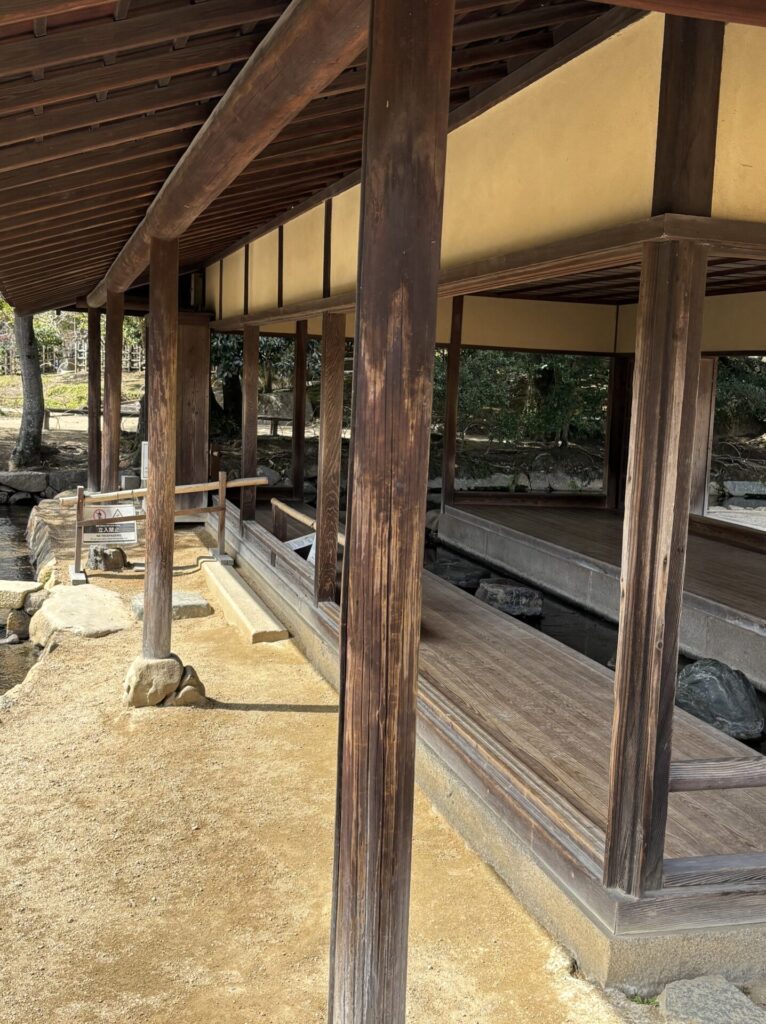
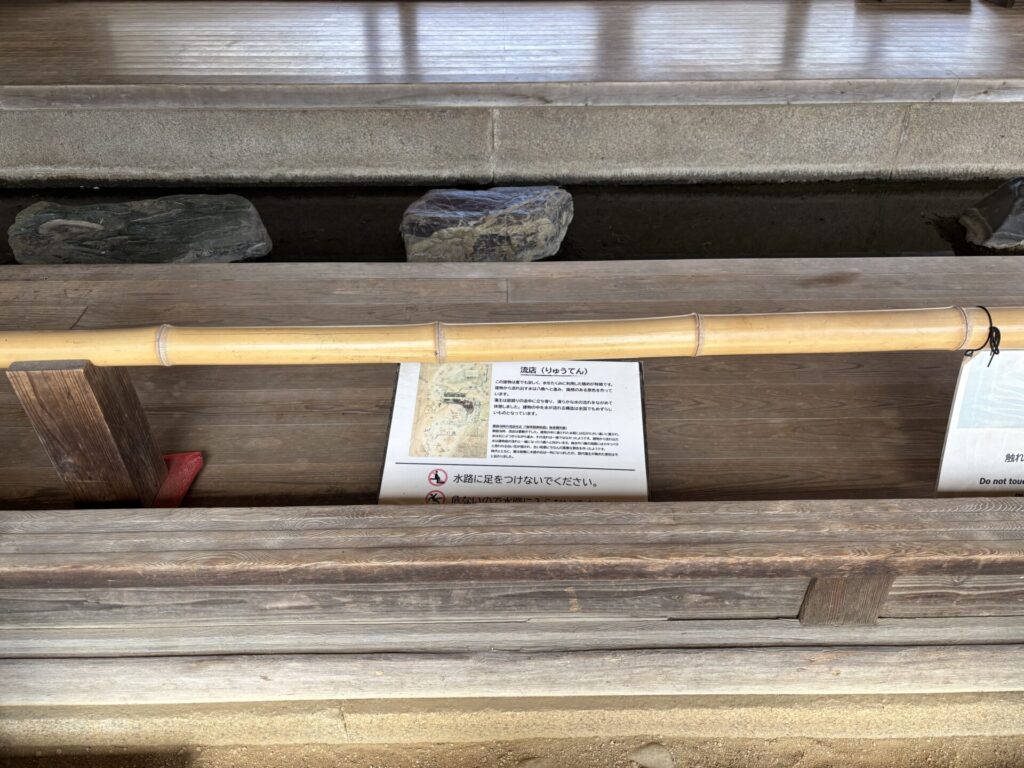
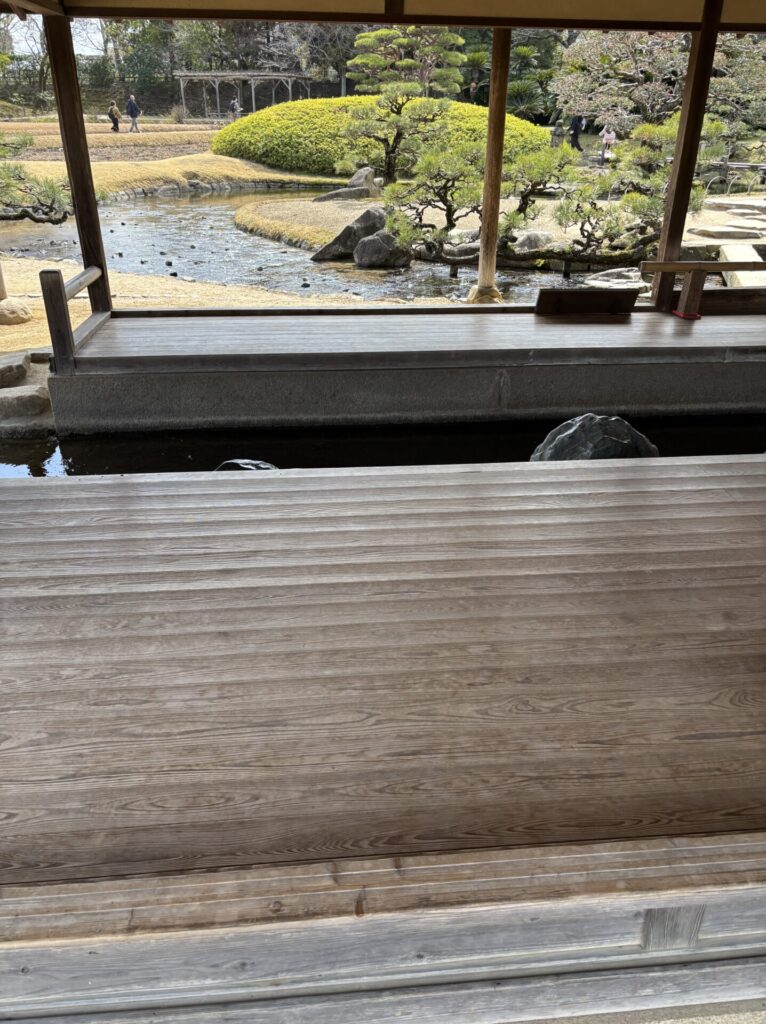
流店。建物の中に水が流れる、非常に珍しい構造。夏でも涼しく過ごせるよう工夫されており、機能美と風流の融合が見られます。
Ryuten (Flowing Water Pavilion)
This is a rare structure where water flows through the building.It was designed to keep the space cool even in summer, showing a fusion of functional beauty and aesthetic elegance.
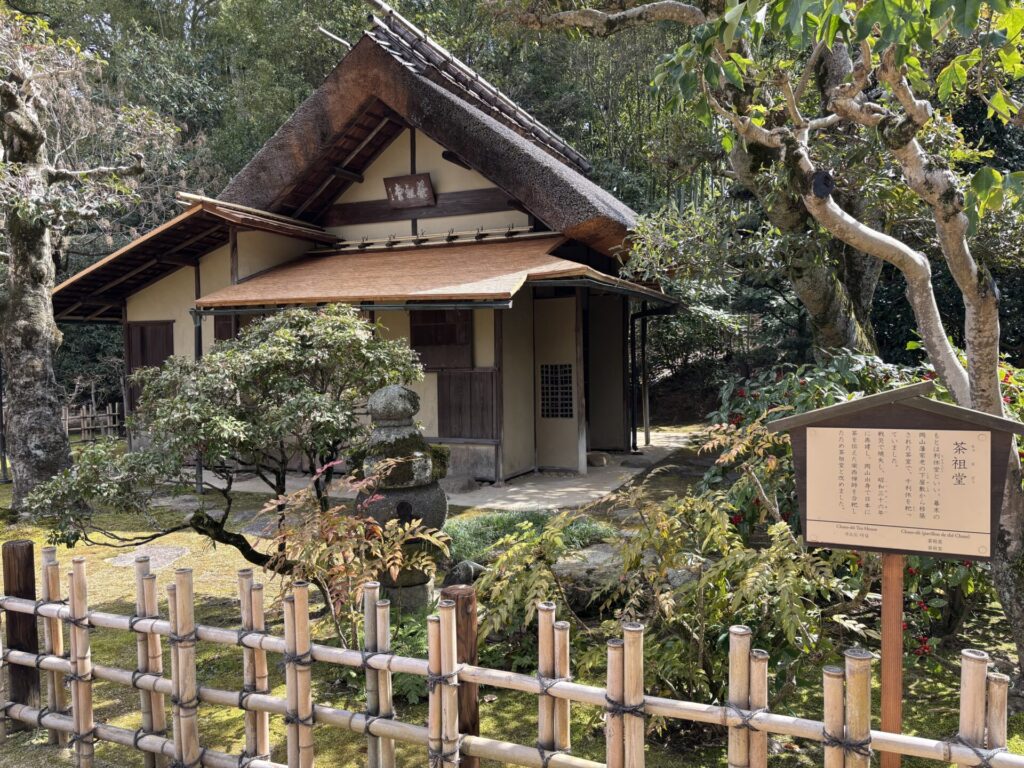
茶室。Tea House
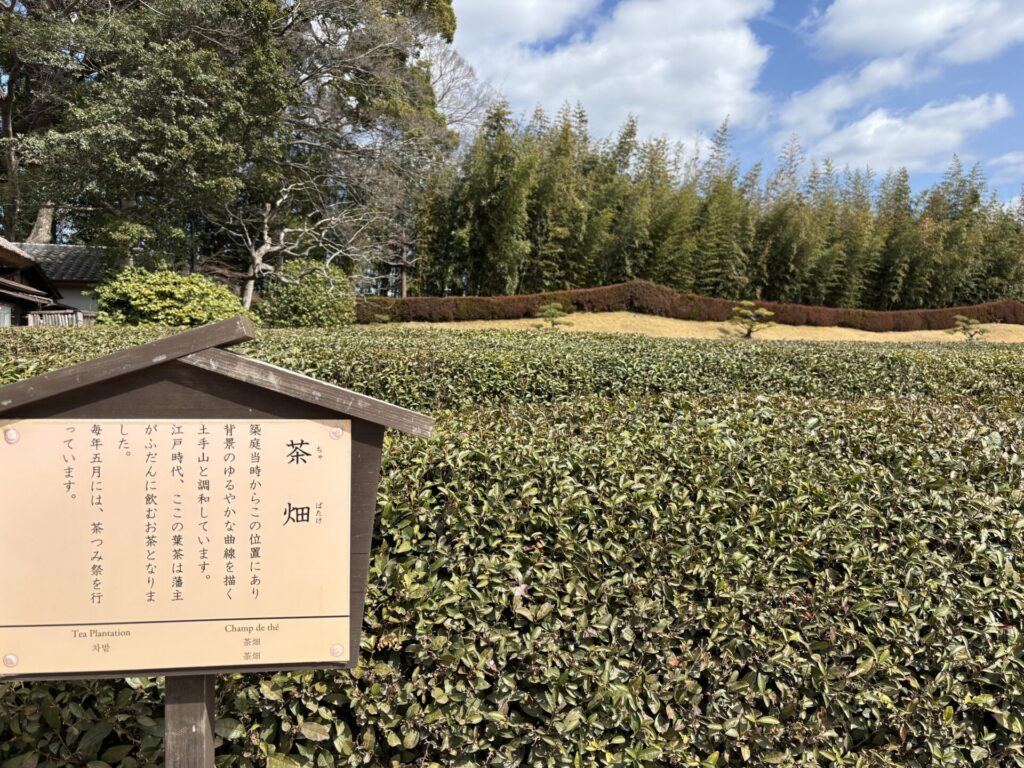
茶畑。藩主が田園風景を好んだため、もとは田畑がもっとたくさんあったそうです。
Tea Fields
Because the feudal lord favored rural landscapes, the garden originally included many more rice fields and farmland.
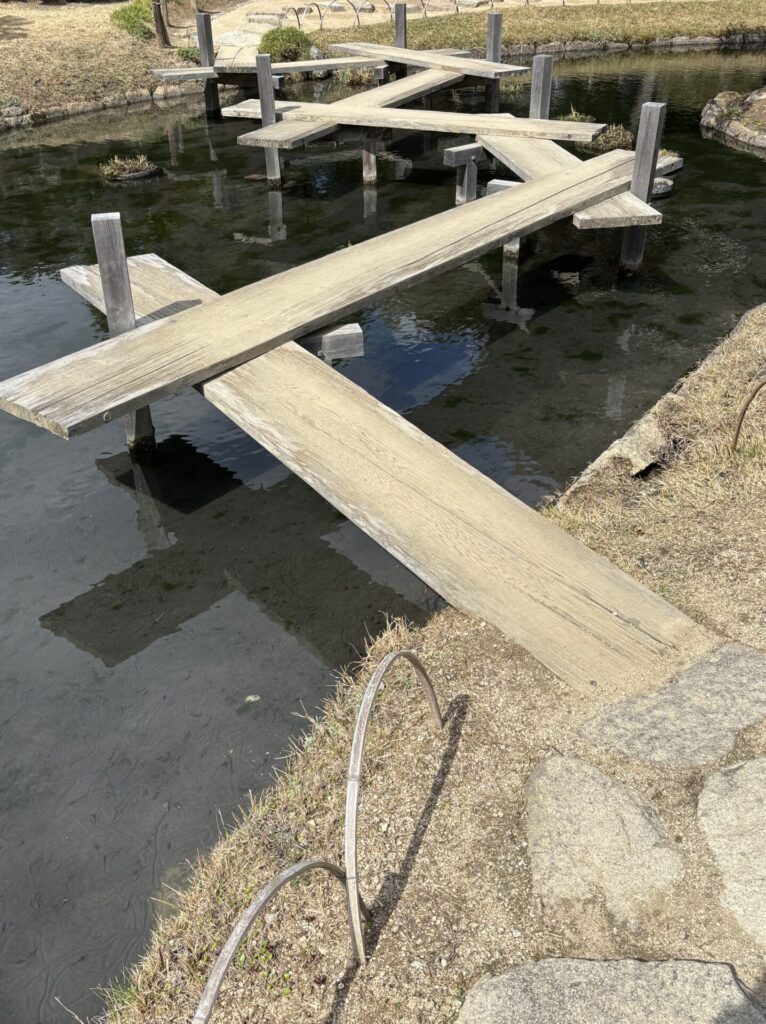
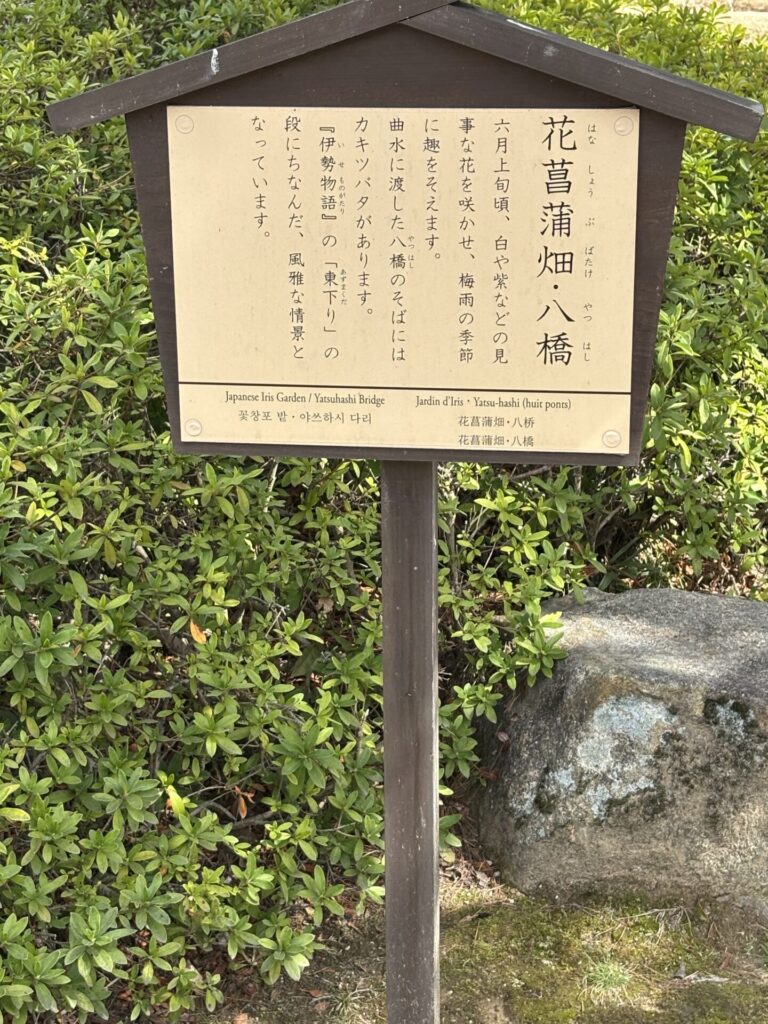
庭園にある「八橋」は、『伊勢物語』東下りに由来しています。
自分の存在意義に悩んだ男が都を離れ東国へ旅立ち、八つの橋のある場所で、都に残した妻を思って和歌を詠む場面です。このように、日本庭園は単なる景色ではなく、文学の世界とも結びついています。
Yatsuhashi (Zigzag Bridge) and The Tale of Ise
The zigzag bridge in the garden is inspired by The Tale of Ise.In the story, a man troubled by his sense of purpose leaves the capital and travels to the eastern provinces.At a place with eight bridges, he composes a poem expressing his longing for his wife left behind in the capital.
In this way, Japanese gardens are not merely landscapes but are also deeply connected to the world of literature.

コメント